Introduction
Bowel wellness is a crucial part of total health, yet it's usually shrouded in preconception and false information. Those that call for customized digestive tract care-- such as individuals dealing with stomas or intricate bowel conditions-- need experienced caregivers who can supply reliable support. This requirement has caused the growth of comprehensive bowel care Discover more here training programs that equip caregivers with essential abilities and understanding. In this article, we will check out the profound influence of these training programs, particularly concentrating on NDIS complex bowel care training, stoma care training for carers, and numerous aspects connected to ostomy care.
NDIS Complex Bowel Care Training
What is NDIS Complex Bowel Care Training?
NDIS (National Disability Insurance Plan) complex bowel care training is made to help caregivers recognize and handle the unique needs of individuals who require customized bowel management. This training includes various topics consisting of anatomy, typical bowel conditions, and specific methods for reliable bowel care.
Importance of NDIS Complex Bowel Care Training
Effective digestive tract management is essential for maintaining convenience and dignity for people with complicated demands. Educated caretakers can dramatically enhance the quality of life for their customers by employing finest methods found out through detailed courses.
Key Parts of NDIS Complex Bowel Care Training
Understanding Bowel Anatomy- Knowledge about the human digestive system system. Identifying parts that may be impacted by illness.
- Conditions such as bowel irregularity, looseness of the bowels, and cranky digestive tract syndrome. Recognizing indicators that necessitate expert help.
- Techniques for secure handling and care routines. Managing medicines effectively.
- Engaging customers in conversations about their needs. Building trust fund through empathetic communication.
Benefits of NDIS Complex Bowel Care Training
- Enhances caregiver confidence. Improves individual outcomes. Reduces medical facility check outs as a result of preventable complications.
Stoma Care Training for Carers
What is Stoma Care Training?
Stoma care training concentrates on equipping caretakers with the knowledge and abilities necessary to sustain individuals that have actually undergone ostomy procedures. Recognizing how to appropriately preserve a stoma website not only enhances health but also advertises a favorable self-image amongst clients.
Why Stoma Care Training is Essential
People living with a stoma typically experience anxiety concerning their condition. Appropriately trained caretakers can provide peace of mind and useful aid, making life far more manageable for those adapting to their new normal.
Core Subjects in Stoma Care Training
What is a Stoma?- Definition and sorts of stomas (ileostomy, colostomy).
- Cleaning methods. Changing ostomy bags safely and comfortably.
- Preventing irritability around the stoma site. Recognizing signs of infection very early on.
- Foods that might impact feces consistency. Hydration ideas post-surgery.
Positive Results from Effective Stoma Care Training
- Increased self-reliance for clients. Enhanced psychological health with helpful caregiving. Improved total health by stopping complications related to inadequate stoma management.
Complex Bowel Care Training course Overview
What Makes up a Complex Bowel Care Course?
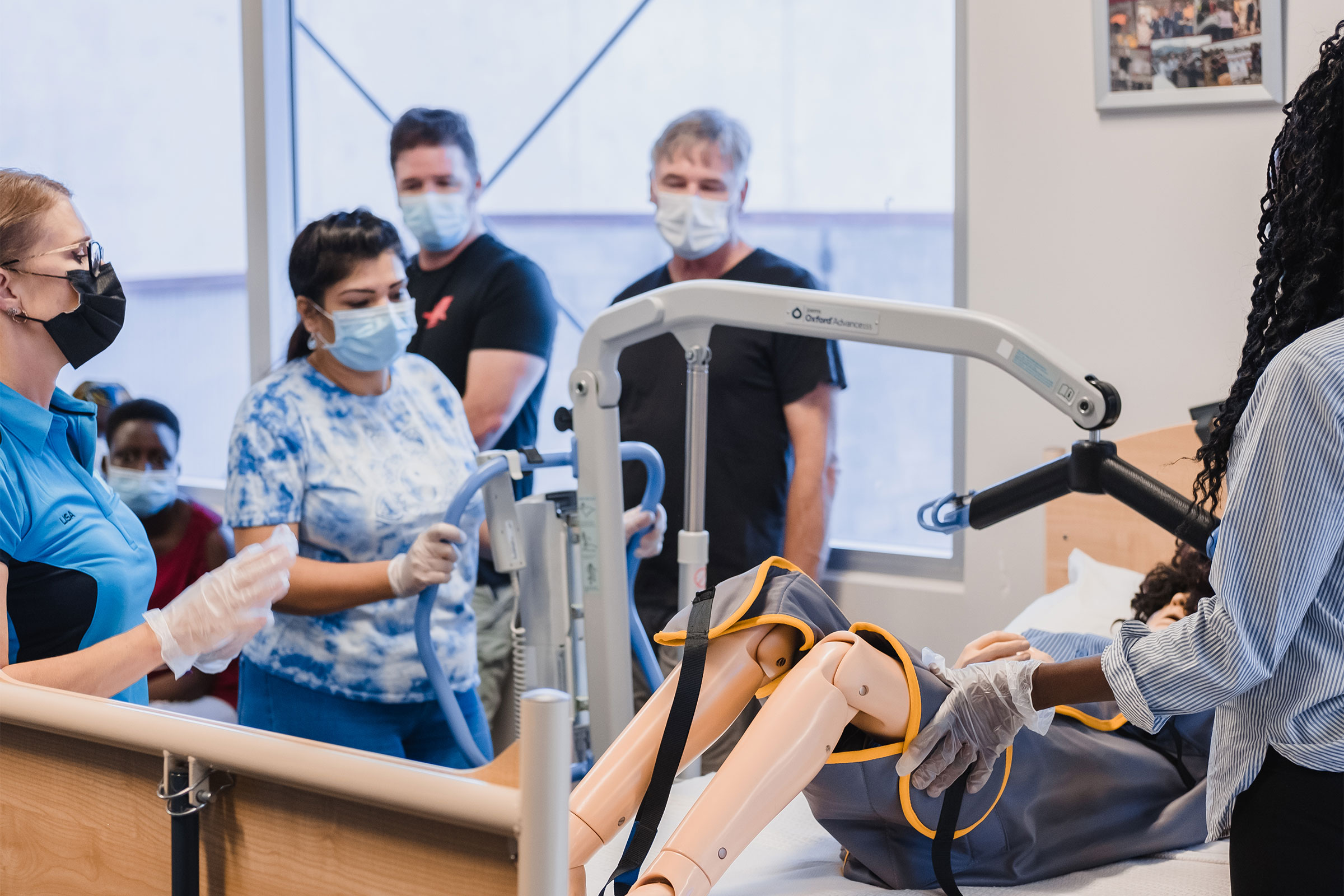
A complex bowel care course incorporates theoretical expertise with functional abilities required for taking care of people facing serious bowel problems or undergoing ostomy procedures. It typically includes interactive components like workshops or simulations to improve learning outcomes.
Structure of an Extensive Course
Foundational Knowledge
- Basic makeup and physiology appropriate to digestive tract health.
Assessment Techniques

- Learning just how to examine an individual's special needs.
Care Plans Development
- Tailoring techniques based upon assessments while considering individual preferences.
Emergency Protocols
- Guidelines on what steps to take during dilemmas or unforeseen scenarios involving digestive tract health issues.
Community Resources Available
- Connecting families with neighborhood support networks or educational materials tailored to their circumstances.
The Duty of Caregivers in Digestive Tract Management
Understanding Bowel Treatment Management
Bowel treatment monitoring entails comprehending both the clinical aspects along with the emotional implications linked to intestinal health and wellness problems faced by people. Appropriately educated caretakers play an important function in supplying high-quality services that meet these dual demands effectively.
Essential Skills Called for by Caregivers
Technical Proficiency
- Ability to execute tidy intermittent catheterization if required.
Emotional Intelligence
- Recognizing when clients feel uneasy discussing their requirements or experiences openly
Patient Advocacy
- Acting as intermediaries in between patients and health care experts ensures all celebrations are listened to precisely in decision-making processes relating to therapy options.
Caring for an Ostomy: Trick Considerations
What is an Ostomy? Insights into Ostomy Types
An ostomy describes a surgery developing an opening (stoma) from an interior organ to the outdoors, usually needed due to illness such as cancer cells or inflammatory bowel disease (IBD). Understanding what comprises an ostomy helps prepare caretakers for their duties better:
- Ileostomy: An opening produced from the ileum (the last part of the small intestine). Colostomy: An opening made from the colon (large intestinal tract).
Emotional Assistance Approaches for Patients Post-Ostomy
Adapting mentally after receiving an ostomy can be testing for lots of people:
Encourage open discussions regarding feelings related to body picture changes post-surgery. Provide sources regarding support system where common experiences help normalize sensations experienced during healing stages post-operation.FAQs Concerning Comprehensive Digestive tract Care Training
Q1: What does comprehensive bowel care training include?
A: It covers physiological education, typical problems connected with bowels, practical nursing abilities, interaction strategies, emergency methods, dietary suggestions, skin protection approaches, etc, customized especially according individual patient needs within frameworks like NDIS guidelines.
Q2: How long does it usually take to finish a complex bowel care course?
A: While durations differ relying on establishment offerings; normally talking programs can range anywhere from numerous days up till several weeks which may involve both classroom understanding plus hands-on experiences.
Q3: Who must consider taking advanced stoma care training?
A: Any person involved in caregiving duties-- whether family members aiding loved ones at home; full time healthcare specialists functioning within hospitals/rehabilitation setups might considerably take advantage of this type specialized training.
Q4: Are there any kind of requirements prior to registering in these courses?
A: While some establishments could need foundational healthcare qualifications; several welcome newbies excited find out regardless prior experience!
Q5: How frequently must ongoing education and learning occur after initial certifications achieved?
A: Constant education and learning makes sure staying existing best practices & & developments related area; several suggest taking part correspondence course annually if feasible!
Q6: How does efficient interaction add in the direction of successful bowel administration practices?
A: Being able engage properly cultivates trust allowing clients voice problems leading inevitably higher quality individualized service delivery.
Conclusion
In final thought, "Caring with Confidence: The Impact of Comprehensive Bowel Care Training" can not be underrated; this vital expertise equips caretakers not just with technical efficiencies however also emotional intelligence necessary navigate intricacies bordering stomach health obstacles dealt with by several today! With organized educational pathways like NDIS complex bowel care training or specialized stoma care sessions we empower those that give support therefore improving outcomes substantially-- both literally & & emotionally-- for individuals needing recurring assistance throughout their journeys towards much better health!